About Product
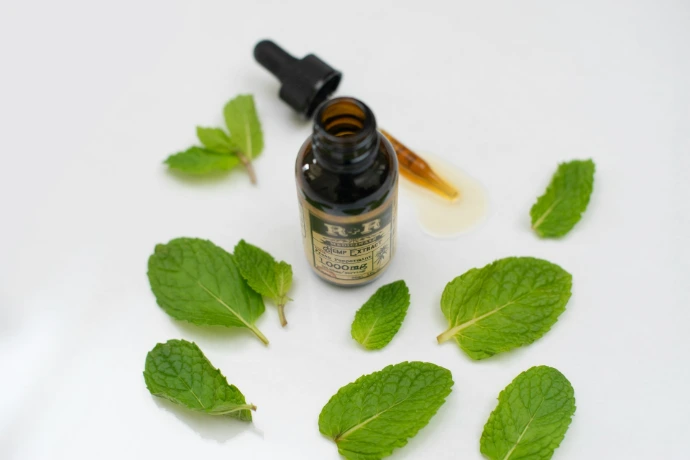
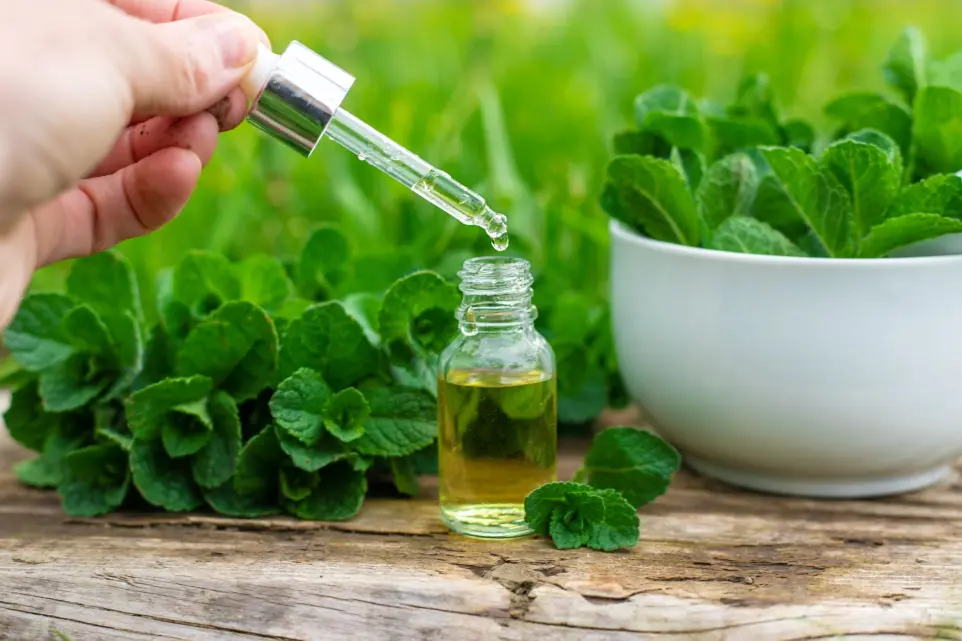
Peppermint Oil is a premium essential oil steam-distilled from the leaves of Mentha × piperita, renowned for its fresh, crisp, and cooling mint aroma. Naturally rich in Menthol, Menthone, 1,8-Cineole, Isomenthone, and Limonene, it offers exceptional purity, refreshing fragrance, and versatile functionality.
Widely used across the Food, Beverage, Pharmaceutical, Personal Care, Oral Care, Aromatherapy, and Wellness industries, peppermint oil is an ideal ingredient for confectionery, chewing gum, chocolates, beverages, herbal teas, toothpastes, mouthwashes, cough syrups, balms, shampoos, soaps, lotions, massage oils, and cosmetic formulations.
Known for its cooling, soothing, antimicrobial, anti-inflammatory, and invigorating properties, Peppermint Oil supports digestive wellness, respiratory comfort, muscle relaxation, and mental clarity. Its consistent quality, high menthol content, and refreshing sensory profile make it one of the world's most demanded natural essential oils for manufacturers and importers.
Composition
- Menthol: The primary active compound responsible for the cooling sensation and the signature minty aroma.
- Menthone: A secondary compound that contributes to peppermint's fresh, minty scent.
- Other Components: Isomenthone, menthyl acetate, limonene, and pulegone that enhance its flavor and therapeutic properties.
Physical Characteristics
- Appearance: Colorless to pale yellow liquid.
- Odor: Fresh, sharp, and minty with a cooling, invigorating fragrance.
- Taste: Cool, minty, slightly sweet.
Health Benefits
Pain Relief & Analgesic:
o The menthol in peppermint oil provides a cooling effect, which can relieve headaches, muscle pain, and joint pain.
Anti-inflammatory:
o Peppermint oil reduces inflammation, making it useful for treating inflammatory conditions like arthritis and skin irritations.
Respiratory Health:
o Helps clear nasal passages and relieve symptoms of sinus congestion, coughs, and colds.
Digestive Health:
o Soothes the stomach, alleviates bloating, reduces indigestion, and relieves nausea.
Antibacterial & Antifungal:
o Exhibits strong antibacterial and antifungal properties, making it effective in treating skin infections and promoting healthy skin.
Oral Health:
o Freshens breath and promotes oral hygiene with its antimicrobial properties, often used in toothpaste and mouthwashes.
Key Features
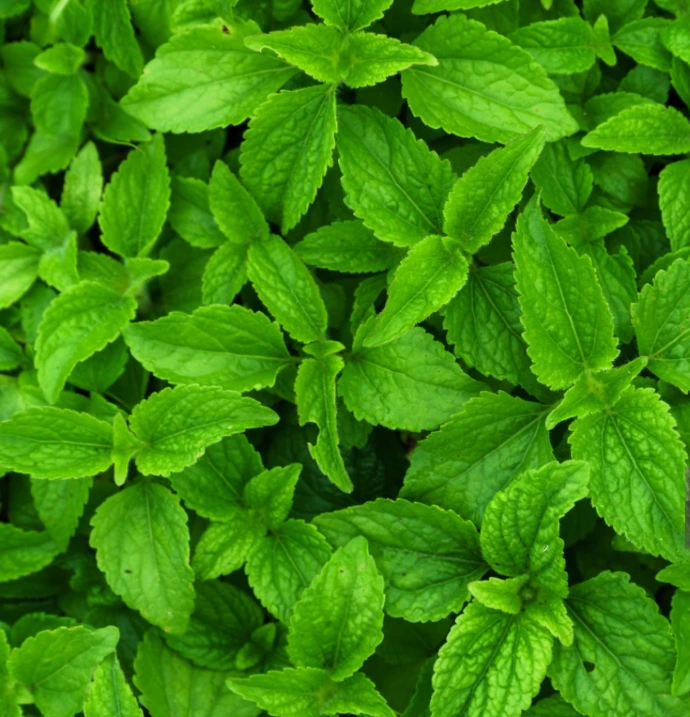
- Source: Derived from the leaves and stems of the Mentha × piperita plant (peppermint).
- Active Ingredients: Menthol, menthone, menthyl acetate, and other essential oils.
- Physical Characteristics: Colorless to pale yellow liquid with a sharp, minty aroma.
- Applications: Used in food, beverages, pharmaceuticals, cosmetics, and fragrance.
- Health Benefits: Pain relief, anti-inflammatory, respiratory health, digestive support, oral hygiene.
Application
Food & Beverage:
- Flavoring Agent: Adds a refreshing, cool, and minty flavor to candies, chewing gum, beverages, and baked goods.
- Preservative: Due to its antimicrobial properties, peppermint oil is sometimes used as a natural preservative in food products.
Pharmaceuticals:
- Pain Relief: Used in topical creams, ointments, and balms for headaches, muscle pain, nd joint pain relief.
- Digestive Health: Used to soothe digestive issues, including bloating, indigestion, and nausea.
- Respiratory Health: Helps clear nasal congestion and provides relief from sinus issues through its decongestant properties.
Cosmetics & Personal Care:
- Skincare: Known for its cooling, soothing effects, peppermint oil is used in skincare products to calm irritated skin and reduce inflammation.
- Haircare: Promotes scalp health and stimulates hair growth. Often included in shampoos and conditioners for dandruff prevention.
Fragrance Industry:
- Used in Perfumes and Air Fresheners: Peppermint oil is added to create fresh, minty fragrances for perfumes, candles, and air fresheners.